
Lighting Challenges on Large Yachts: Scaling Precision in Complex Environments
Designing lighting for a 60-meter yacht is a complex task. Scaling that to a 100-meter-plus vessel introduces a completely different level of challenge. On larger yachts, lighting design becomes not just a matter of aesthetics, but also a question of technical orchestration, long-term maintenance, and environmental adaptation.
From achieving perfect consistency across kilometres of LED to ensuring systems remain intuitive for guests and crew, the scale and performance expectations push lighting design into a highly specialised domain. These are environments where luxury must feel effortless and where behind-the-scenes systems must perform flawlessly, day after day, for years to come.
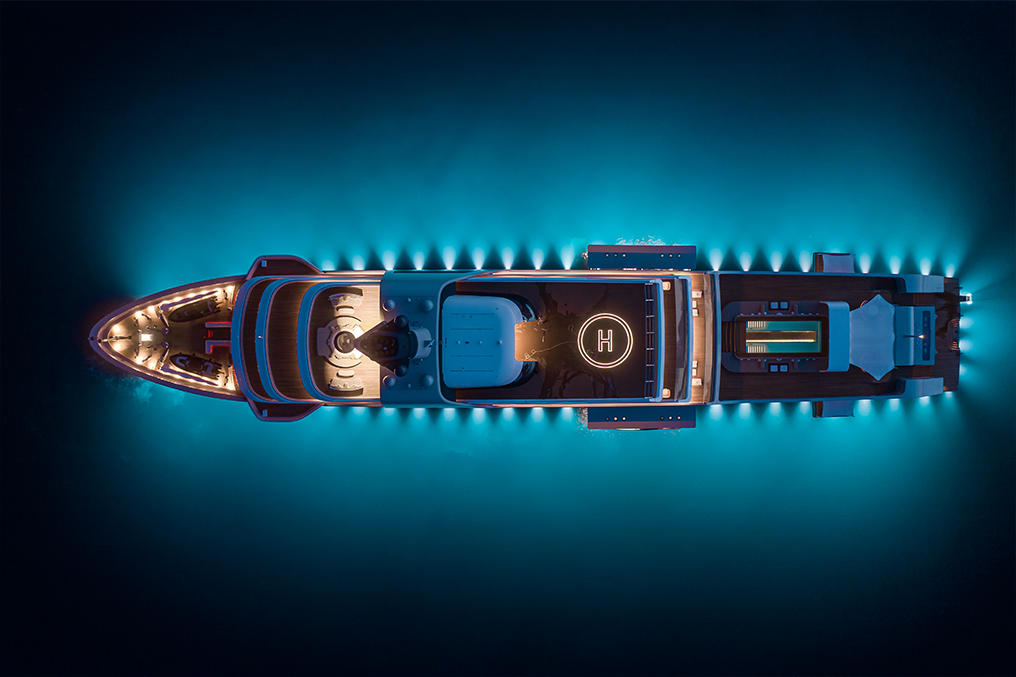
Previous yacht project by Ideaworks. Image: Tom van Oossanen
Consistency Matters Because Guests Notice
The first challenge is consistency, particularly with LED lighting. Different manufacturers, or even different batches from the same supplier, can vary in colour temperature due to binning discrepancies. Over a yacht with kilometres of linear LED, this variation can be visually jarring when it occurs. For the owner or guest, this could mean lighting looking slightly “off” from one area to another - something they might not be able to explain, but they’ll definitely feel.
Solving this requires tight supply control, in-house testing, and collaboration with manufacturers to establish precise specifications.
Right Light, Right Place For Atmosphere and Efficiency
Large yachts often utilise multiple lighting types, ranging from high-performance LED profiles in joinery to encapsulated, flexible LED strips for exterior coves. Specifying the right product in the right place, ensures not only better visual results but also better long-term energy performance. For the owner and guests, this means lighting that’s both stunning and unobtrusive. For yacht, it means reduced energy consumption, longer-lasting installations, and easier maintenance.
Power and Control Infrastructure That Scales
Some large vessels contain over a thousand lighting control circuits. That could easily become a complexity nightmare unless properly designed. By decentralising systems and placing control processors locally on each deck and fire zone, the system becomes more resilient and easier to manage.
Digital protocols like DALI enable seamless dimming and tuneable white control, allowing mood scenes to transition naturally from day to evening. For guests, this translates into an intuitive, emotionally attuned environment. For owners, it ensures high-tech elegance without the headaches.
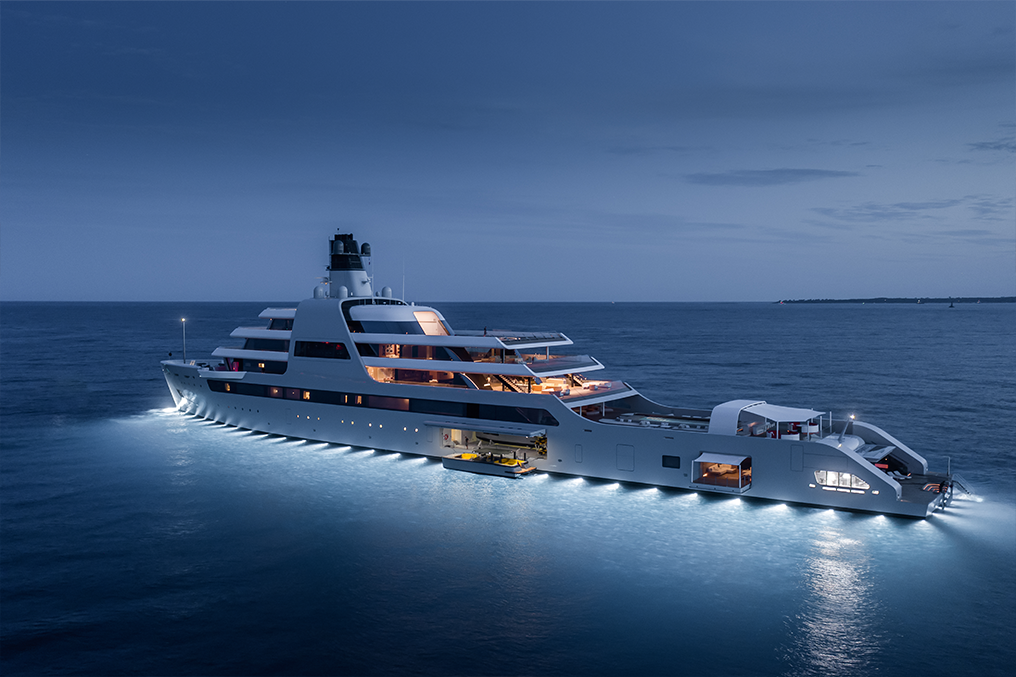
Previous yacht project by Ideaworks. Image: Tom van Oossanen
Managing Complexity at Scale
The scale of these mega projects yields large numbers, meaning managing the complexity of the different options and details that go into the lighting scheme becomes critical. Not only for the design team, but more importantly for the shipyard, outfitters, and eventually the crew tasked with operating and maintaining it.
To address this, Ideaworks has developed its own digital platform that captures all lighting system information in a visual, plan-based format, serving as a single source of truth. Every component, from light fittings to connectors, drivers, and lighting control modules, is mapped out with cable information in between. This enables the team to locate components quickly, identify connections, and troubleshoot more effectively. Never lose a hidden driver again.
Simple Control, Sophisticated Results
Despite the complexity under the surface, the guest experience must remain effortless. Elegant keypads with day/evening/night presets eliminate guesswork. Whether entering a cabin or stepping into a spa, guests can expect lighting that feels natural and purposeful, without needing instructions.
Touchscreens and interactive controls can offer deeper functionality when needed, but the base experience must be as simple as flipping a switch. That’s the difference between technology that impresses and technology that empowers.
Built for the Sea. Backed by Expert Support.
Vibration, salt air, and limited service access mean that lighting products must be more robust than their land-based counterparts. Even connectors and mounting details may need to be custom-engineered. For owners and guests, this ensures every space feels pristine, with no flickers, faults, or failing fittings. For the crew, this means fewer service calls and a smoother overall operation.
In demanding marine environments, reliable operation also depends on the quality of ongoing technical support. Ideaworks offers a dedicated marine aftercare service, designed specifically for superyacht systems. Our in-house engineering team provides expert maintenance, equipment repairs, and rapid replacements, minimising delays and disruptions by relying on our own resources.
With 24/7 remote monitoring via our Guardian system, any performance issue is flagged in real-time, allowing for proactive action before guests even notice. With service hubs in London and Monaco, as well as global coverage extending to South Florida, we can quickly dispatch the right parts and engineers to wherever the yacht is located in the world.
Whether at sea or in port, that level of aftercare provides peace of mind, ensuring the lighting system continues to perform flawlessly, just as it did on the day it was installed.
Technology that Disappears
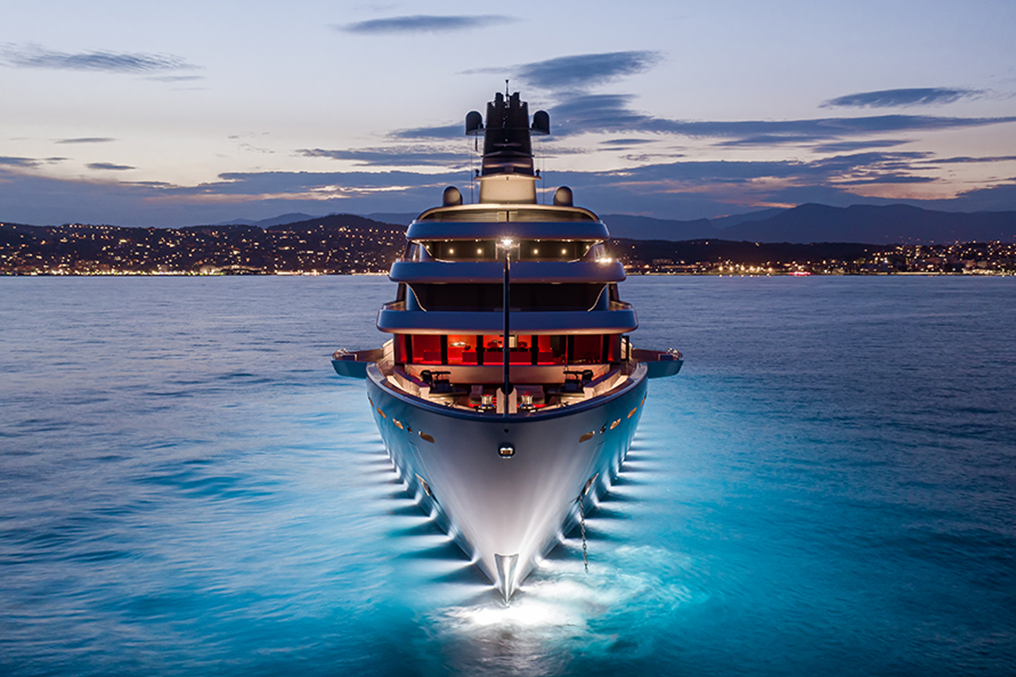
Ultimately, the greatest compliment for lighting on a superyacht is that no one notices it, because it just feels right. The guest walks into a space that feels comfortable, considered, and alive. The owner has a system that performs reliably, elegantly, and without drama.
Behind that simplicity is careful design, technical rigour, and a commitment to long-term performance. That’s the real challenge of lighting large yachts, and the true reward.
Previous yacht project by Ideaworks. Image: Tom van Oossanen
Here to Help
Planning a large yacht project with demanding lighting requirements?
Connect with our technical design team to discuss scalable, sustainable lighting strategies that balance beauty with long-term performance.